Awning Fabrics
Preparing Your Restaurant Patio for Seasonal Business
With a commercial restaurant patio enclosure, your guests can enjoy outdoor dining in any weather, at any time of year.
Learn how outdoor restaurant enclosures, clear vinyl patio curtains, and commercial outdoor fabrics help restaurants extend patio season, protect guests from weather, and increase revenue.
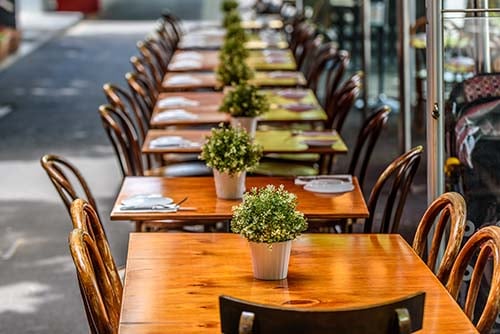
"Would you like to be seated inside, or on our patio?”
Especially when it’s nice outside, many people would say, “Patio, please!”
Whether you call it outdoor dining, picnicking, feasting en plein aire, or eating al fresco, enjoying a meal outside is very much a part of everyday life, particularly in warmer months. But where did this tradition come from, and is it still alive and well today?
Outdoor dining has become one of the most valuable investments restaurants can make. What was once considered a seasonal bonus is now viewed as a critical revenue opportunity and a key differentiator in the competitive hospitality market.
Today’s customers actively seek restaurants with comfortable outdoor spaces, and many online reviews specifically mention patio comfort, heating, and weather protection as factors in their decisions.
For restaurant owners, a well-designed outdoor space can deliver:
Outdoor dining dates back to medieval hunting feasts enjoyed by European nobility. By the 18th century, private outdoor gardens in the United States began offering paid dining experiences.
Modern outdoor restaurant dining began to take shape in the early 1900s when destinations like Coney Island popularized buying ready-made food and eating it outdoors. This shift helped establish the restaurant patio culture that continues to evolve today.
Outdoor restaurant enclosures are protective barriers designed to shield patio dining areas from environmental conditions while maintaining an open and inviting atmosphere. These systems often include:
Unlike permanent construction, flexible enclosure systems allow restaurants to quickly adapt to changing weather conditions.
Clear vinyl patio curtains are among the most effective solutions for extending the outdoor dining season. These transparent barriers help maintain visibility while protecting guests from uncomfortable weather conditions.
Restaurants in colder regions often find that patio enclosures can significantly increase the number of days their outdoor seating remains operational each year.
Material selection is critical when designing restaurant patio enclosures. Commercial hospitality environments require materials engineered for durability, safety, and long-term performance.
Important material characteristics include:
Selecting engineered commercial outdoor fabrics instead of consumer-grade materials can significantly reduce replacement costs and maintenance issues.
High-performance clear vinyl materials such as PanoramaFR® are specifically engineered for commercial outdoor enclosure applications. These materials combine clarity, strength, and flame resistance, making them ideal for restaurant patio protection systems.
Common applications include:
By using performance-engineered materials, restaurants can maintain aesthetics while improving functionality.
Restaurants that invest in outdoor dining infrastructure often see measurable financial benefits. Patio spaces can increase total seating without requiring costly building expansions.
Outdoor weather protection solutions can also:
From an operational standpoint, outdoor dining investments often provide a strong ROI when designed properly.
Restaurants looking to maximize their outdoor dining potential should consider several design strategies:
Natural elements can improve ambiance and help create memorable dining experiences.
Awnings and canopies provide sun protection while improving visual appeal.
Heat lamps, infrared heaters, and fire features can extend patio usability into colder months.
Clear vinyl enclosures offer one of the most cost-effective ways to improve the usability of outdoor dining year-round.
Restaurants often use heat lamps, infrared heaters, fireplaces, and clear vinyl enclosures to trap heat and block wind, helping maintain comfortable temperatures.
Commercial-grade clear vinyl is often considered the best material because it provides visibility, weather protection, durability, and flexibility for seasonal use.
Yes. Patio enclosures can extend outdoor dining seasons, increase seating capacity, and reduce weather disruptions, all of which can increase revenue.
High-performance commercial clear vinyl materials can last for years depending on climate, usage, and maintenance practices.
Many commercial applications require flame-resistant materials to meet local fire codes and hospitality safety standards.
Outdoor dining continues to evolve as restaurants invest in experience-driven environments. Weather protection, durable materials, and flexible design solutions are becoming essential parts of modern restaurant planning.
As customer expectations continue to shift toward experience and comfort, outdoor spaces will remain a major driver of hospitality innovation.
High-performance materials play a critical role in helping restaurants create durable, comfortable outdoor dining environments. Engineered fabrics designed specifically for hospitality applications can help restaurants improve both guest experience and operational efficiency.
Learn more about Herculite performance materials for outdoor hospitality applications:
https://www.herculite.com
With a commercial restaurant patio enclosure, your guests can enjoy outdoor dining in any weather, at any time of year.
How do you know which commercial-grade fabric is right for your outdoor patio enclosure project? Here are a few of the most important factors to...
Designing awnings for restaurants involves different considerations than other commercial buildings. For architects, three unique factors will...